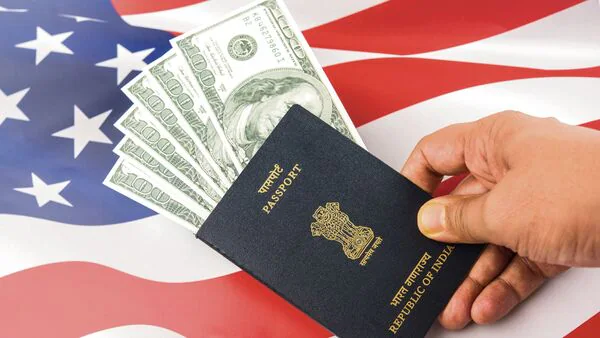
The United States offers many visa options depending on why you want to travel, how long you plan to stay, and what you intend to do while you are there. Some visas are designed for tourism or short business visits, while others allow people to work, study, or live in the country for many years. Understanding the main visa categories and their requirements helps you choose the right path and prepare a stronger application.
This guide explains the major US visa types in a clear and practical way.
Non-Immigrant Visas
Non-immigrant visas are for people who want to stay in the United States for a limited period. These visas are tied to a specific purpose such as tourism, business, study, or temporary work. You must show that you plan to return to your home country after your visit.
Tourist and Business Visitor Visa (B1/B2)
The B1 and B2 visas are the most commonly issued US visas. The B1 visa is for short business activities like meetings, conferences, and negotiations. The B2 visa is for tourism, family visits, and medical treatment. Many people receive a combined B1/B2 visa.
To qualify, you must prove that your visit is temporary and that you have strong ties to your home country. This includes showing employment, family connections, property, or financial responsibilities. You also need to show that you can afford your trip and that you have a clear plan for what you will do in the US.
Student Visas (F1 and M1)
The F1 visa is for academic study at a US school, college, or university. The M1 visa is for vocational or technical programs. To apply, you must first be accepted by a US institution that is authorised to enroll international students.
You need to show proof of enrollment, evidence that you can pay for tuition and living costs, and proof that you plan to return home after your studies. Students on an F1 visa are allowed to work in limited situations, such as on campus or through approved training programs.
Exchange Visitor Visa (J1)
The J1 visa is for people participating in exchange programs such as cultural exchanges, internships, research, teaching, or training. These programs are run by approved sponsors.
Applicants must show proof of acceptance into a J1 program, financial support, and medical insurance. Some J1 visa holders must return to their home country for two years after the program before they can apply for certain US visas.
Temporary Work Visas
The US offers several temporary work visas for different types of jobs. The H1B visa is for professionals in specialty fields like technology, engineering, and healthcare. The H2A and H2B visas are for seasonal agricultural and non-agricultural workers. The L1 visa is for employees transferring within the same company from a foreign office to a US office.
For most work visas, a US employer must sponsor you. The employer files a petition with US immigration, and once it is approved, you apply for the visa. You must show qualifications, work experience, and sometimes professional licences.
Immigrant Visas
Immigrant visas are for people who want to live permanently in the United States. These visas lead to a green card.
Family Based Immigrant Visas
US citizens and permanent residents can sponsor close family members. US citizens can sponsor spouses, children, parents, and siblings. Permanent residents can sponsor spouses and unmarried children.
The sponsor must meet income requirements to prove they can financially support the family member. The process can take time, especially for categories with high demand.
Employment Based Immigrant Visas
The US offers green cards for workers in various categories. Some are for highly skilled professionals, others for workers in specific industries, and some for investors.
Most employment based visas require a job offer from a US employer. The employer must show that there are not enough qualified US workers for the position. Certain categories allow people with exceptional ability to apply without a job offer.
Diversity Visa Lottery
The Diversity Visa Program, also known as the green card lottery, provides permanent residence to people from countries with low immigration to the US. Applicants are selected by a random draw.
To qualify, you must have at least a high school education or two years of work experience in a qualifying occupation. Winning the lottery does not guarantee a visa, but it allows you to apply for one.
General US Visa Requirements
Although each visa type has its own rules, some requirements are common to most US visa applications.
You need a valid passport, a completed visa application form, and a visa fee. You must attend a visa interview at a US embassy or consulate. During the interview, you answer questions about your travel plans, background, and reasons for visiting the United States.
You also need to provide documents that support your application. These can include proof of funds, job letters, school enrollment, family ties, travel plans, and sponsor documents.
The key factor in most non-immigrant visa decisions is whether the officer believes you will return to your home country. Showing strong ties, such as a stable job, family, or property, helps prove this.
Final Thoughts:
The US visa system offers many pathways for different goals. Whether you want to visit, study, work, or settle permanently, there is a visa category designed for your situation. The most important step is choosing the correct visa and preparing a clear, honest, and well documented application. With the right preparation, your chances of approval become much stronger.